HTS II-12L Extrusion Blow Molding Machine
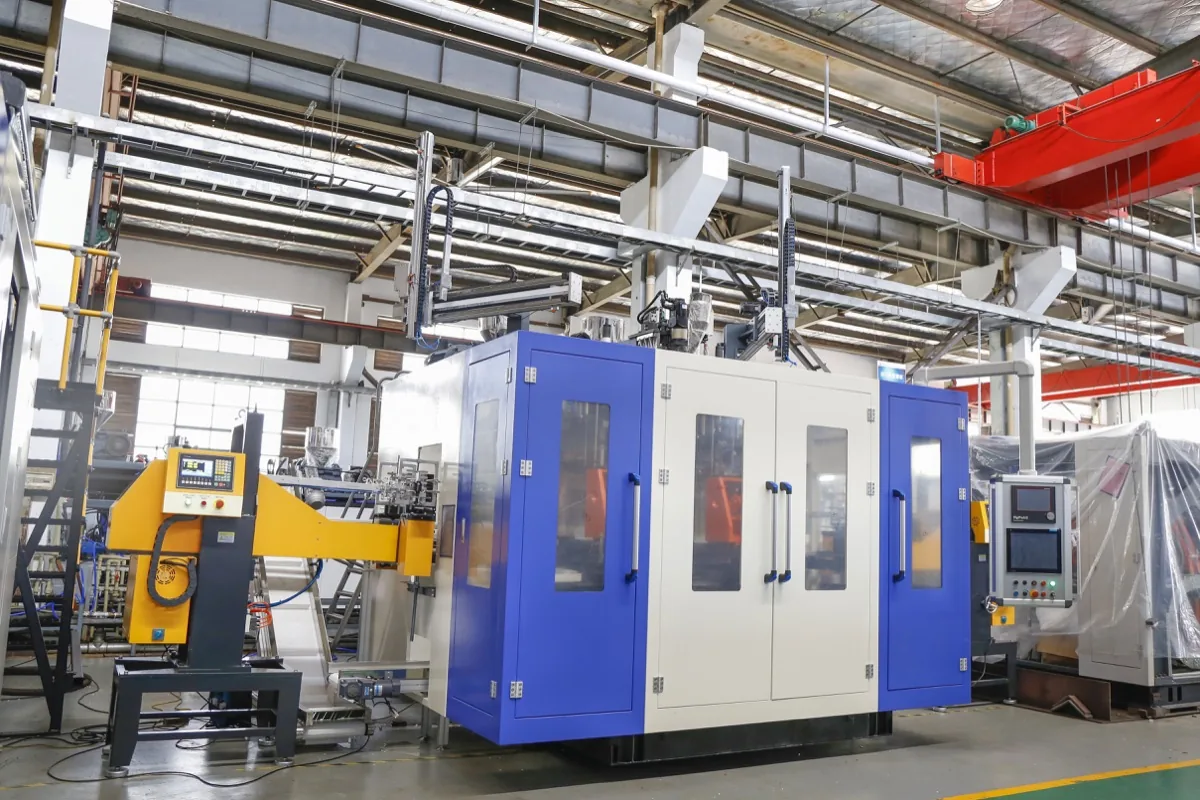
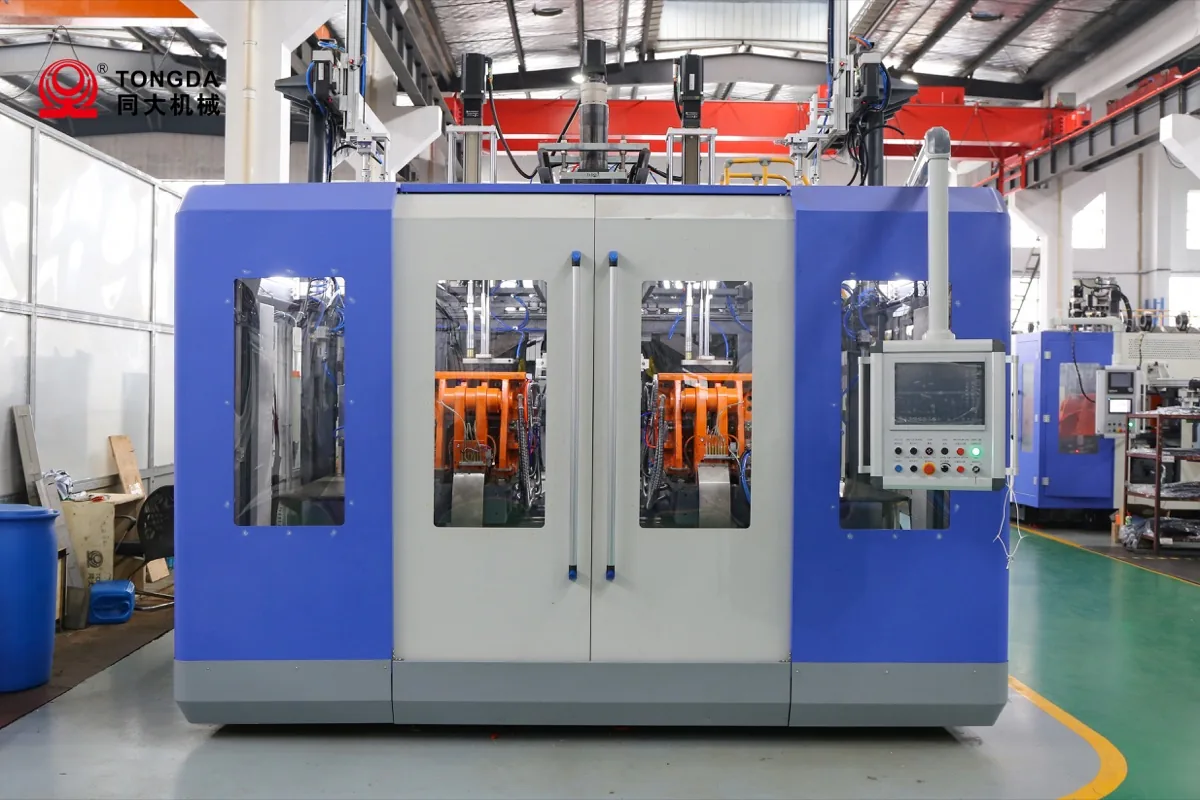
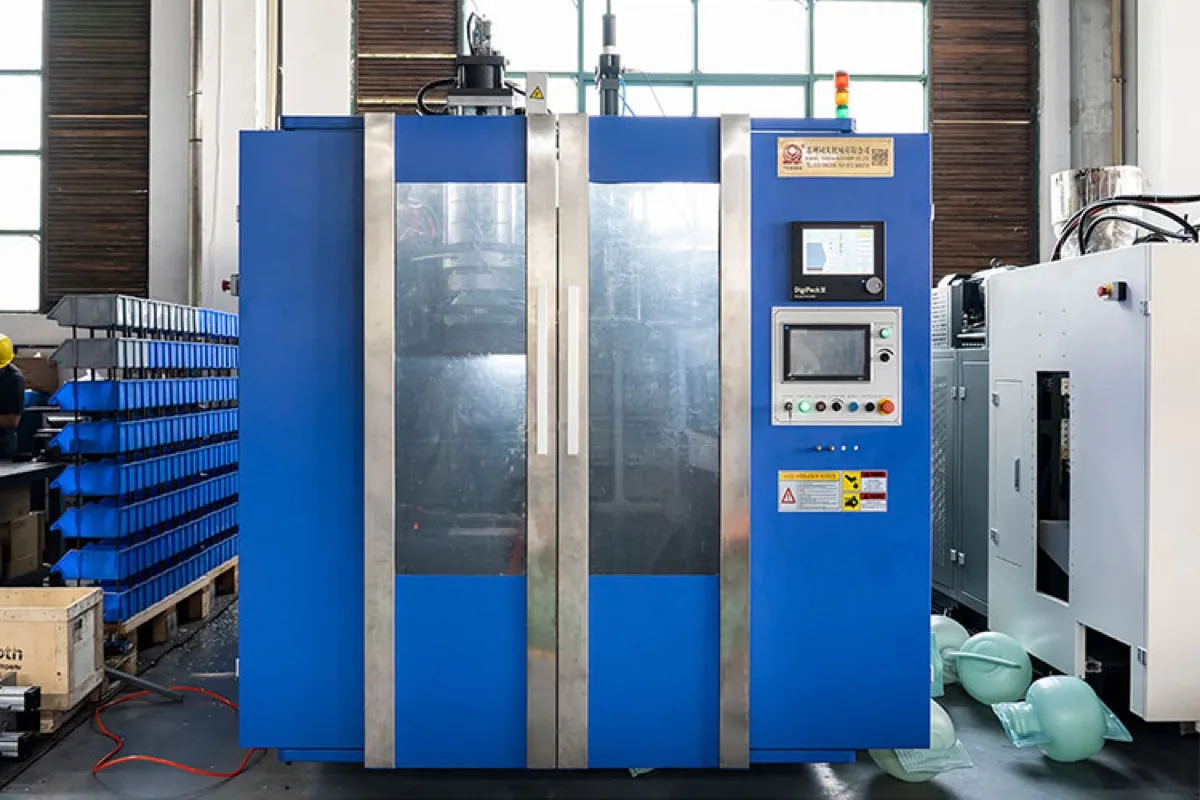
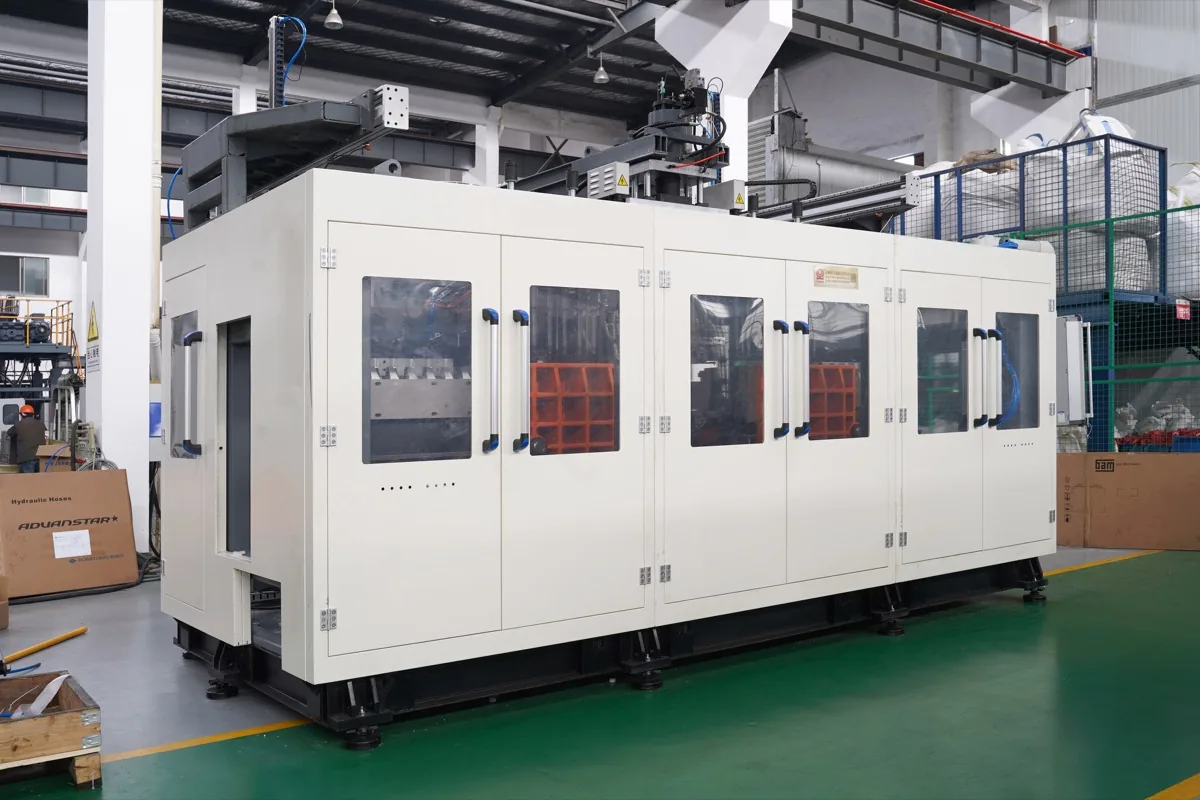
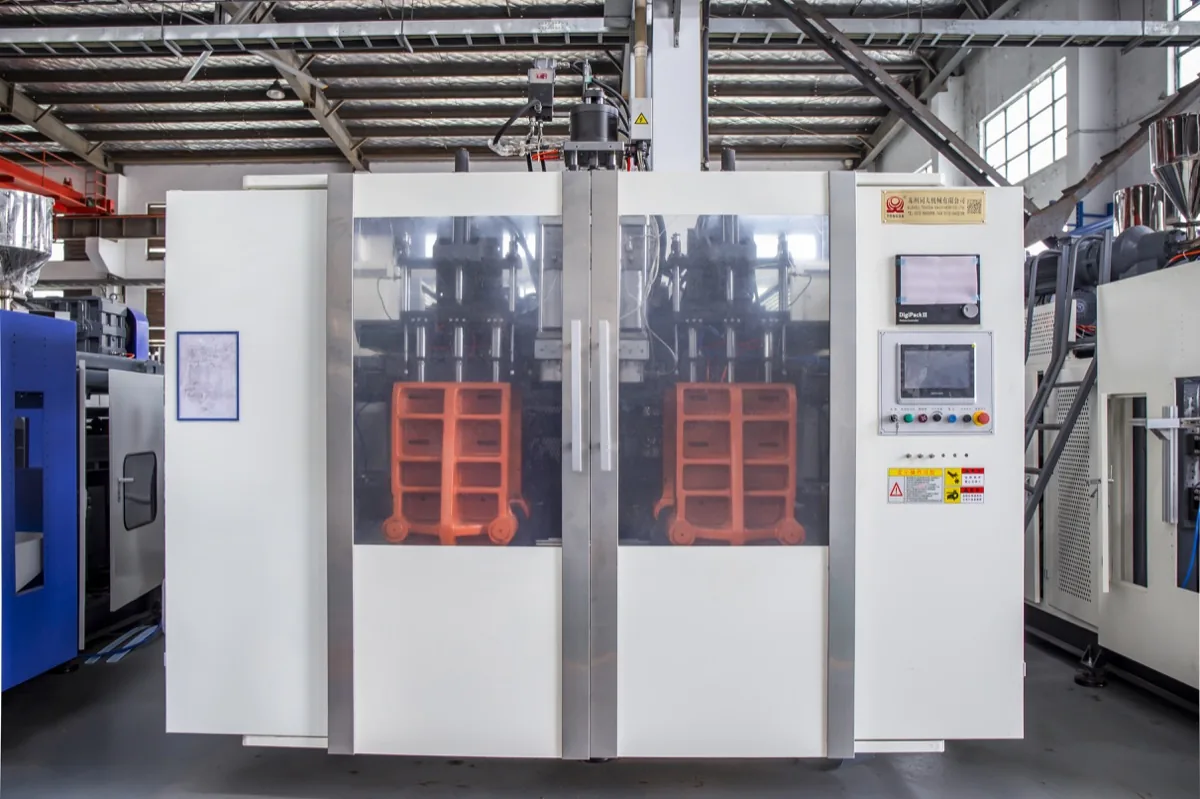
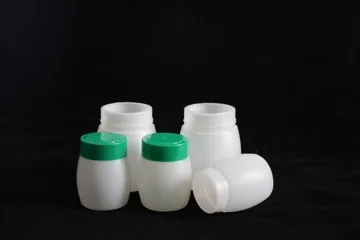
Small bottle extrusion blow molding machine for 5–12L containers. Stable output for sample production and batch manufacturing.
 ▶
▶| Technical Specifications | |
|---|---|
| Max. Product Volume | 12L (Double Station) |
| Dry Cycle | 700×2 pc/h |
| Output | 130 kg/h |
| Machine Weight | 12T |
| Machine Size | 4.3m×3.0m×3.2m |
| Platen Distance | 240mm-620mm |
| Mold Moving Stroke | 550mm |
| Clamping Force | 158kN |
| Screw Diameter | 90mm |
| Screw L/D Ratio | 25:1 |
| Screw Heating Power | 17.4kW |
| Heating Zones (Screw) | 4 |
| Screw Motor Power | 37kW |
| Total Power | 78.6kW |
| Max. Mold Size | 540mm×500mm |
HTS II-12L Extrusion Blow Molding Machine
High-automation blow molding platform for 5–12L hollow products, built for stable output, broad container adaptability, and long-term precision.
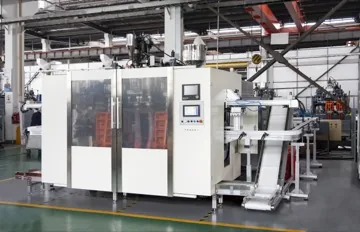
This model is specifically designed for hollow plastic products in the 5–12L range, catering to industries such as daily chemicals and chemicals. It integrates high automation, wide applicability, and exceptional stability into a single system: the flash trimming device is incorporated into the frame, ensuring compact structure and reliable operation; the equipped rotating blow pin rack accommodates both straight-neck and slanted-neck containers, offering broad adaptability; the core frame is manufactured in one piece using a five-axis gantry machining center, providing a high-precision installation benchmark for all components and fundamentally guaranteeing long-term stable operation and product consistency. This makes it an ideal choice for customers seeking efficient and high-quality production.
Request a Quotation
Response within 24 hours. Price includes CIF shipping options.
Inquiry Received!
We'll respond within 24 hours with CIF price and estimated delivery.
Built for Volume Production
Not a demo machine — this is production equipment running 24/7 at client sites. Here's what separates the HTS II-12L Extrusion Blow Molding Machine from cheaper alternatives:
Servo-driven extrusion
Precise wall thickness control across the entire container. Reduces material waste by 8-12% vs hydraulic machines.
Stable parison control
Optimized extrusion and die-head design helps maintain even wall thickness for small bottles and containers.
Automated de-flashing
No manual trimming required. Integrated CNC trimming head reduces labor cost and flash reuse rate is higher.
Energy saving mode
Idle power reduction when not extruding. ~15% lower energy cost vs standard machines in the same class.
What's Included
- ✓ Main machine with 1-year warranty
- ✓ 1 set of product mold matched to the confirmed container design
- ✓ Spare parts kit (screws, heaters, thermocouples)
- ✓ Tool box and maintenance manual
- ✓ Operator training (on-site or video)
- – Extra molds (order separately)
- – Installation and commissioning (optional)
Documents Buyers Need Before Import
Tongda provides qualification materials covering CE compliance, ISO 9001 quality management, industry recognition, and patent documentation.
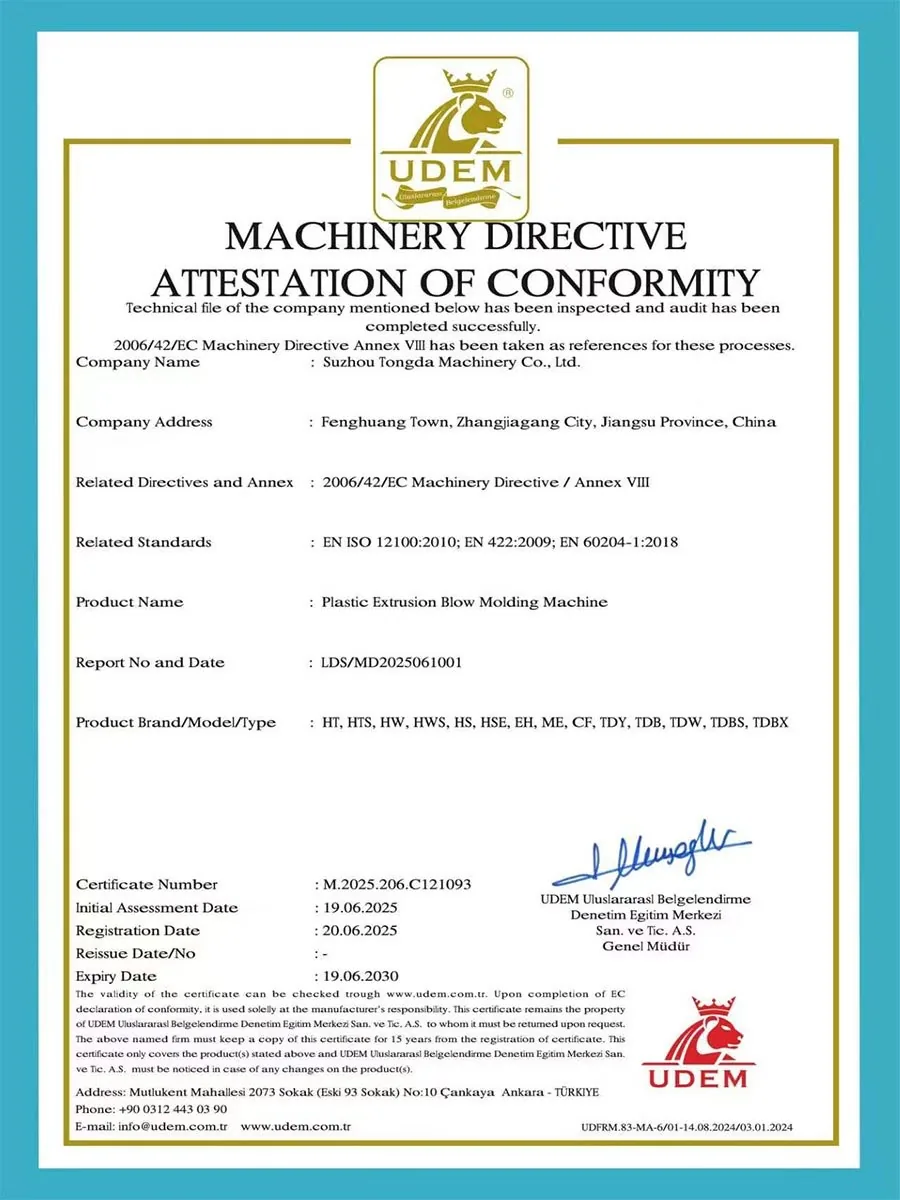
CE Compliance
Machinery Directive conformity for extrusion blow molding machine export and market access.
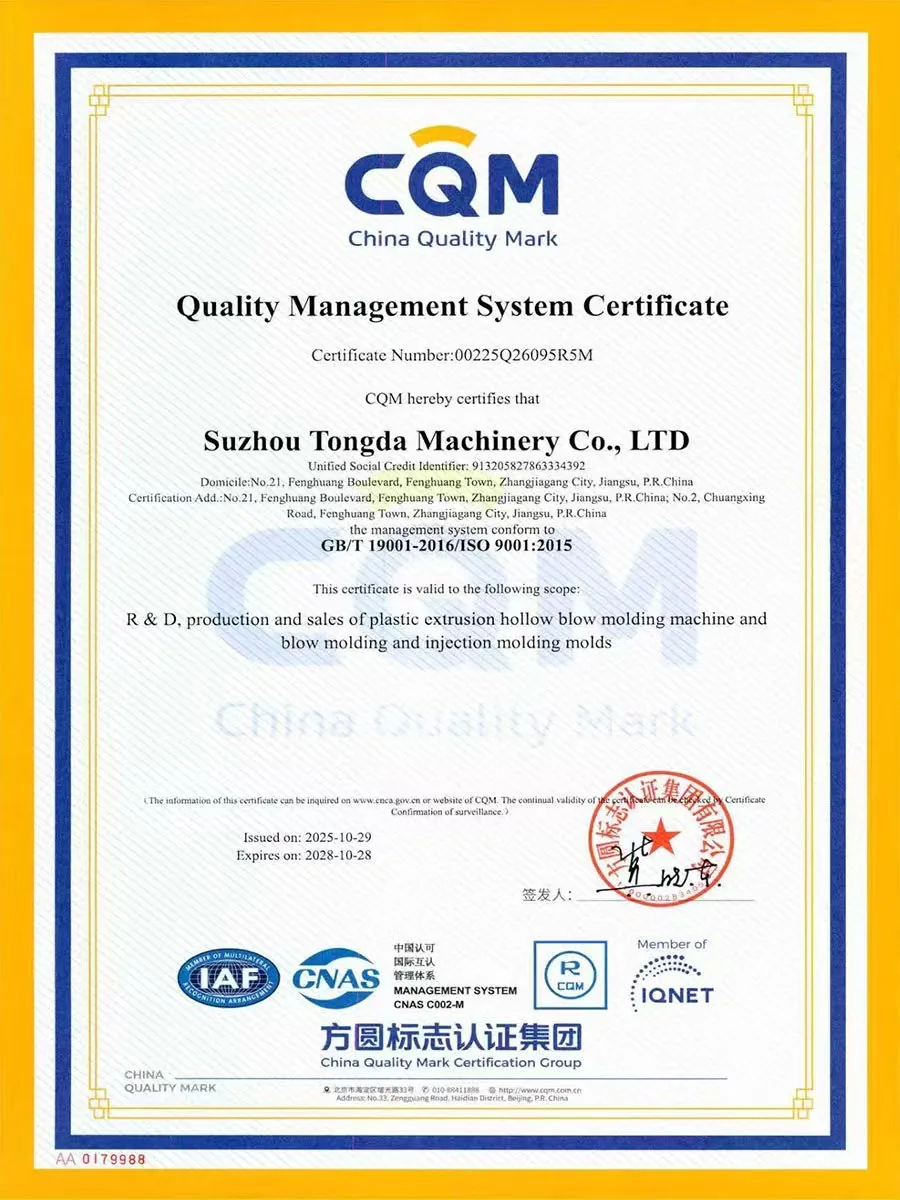
ISO 9001 System
Certified quality management system covering R&D, production, inspection, and quality management.
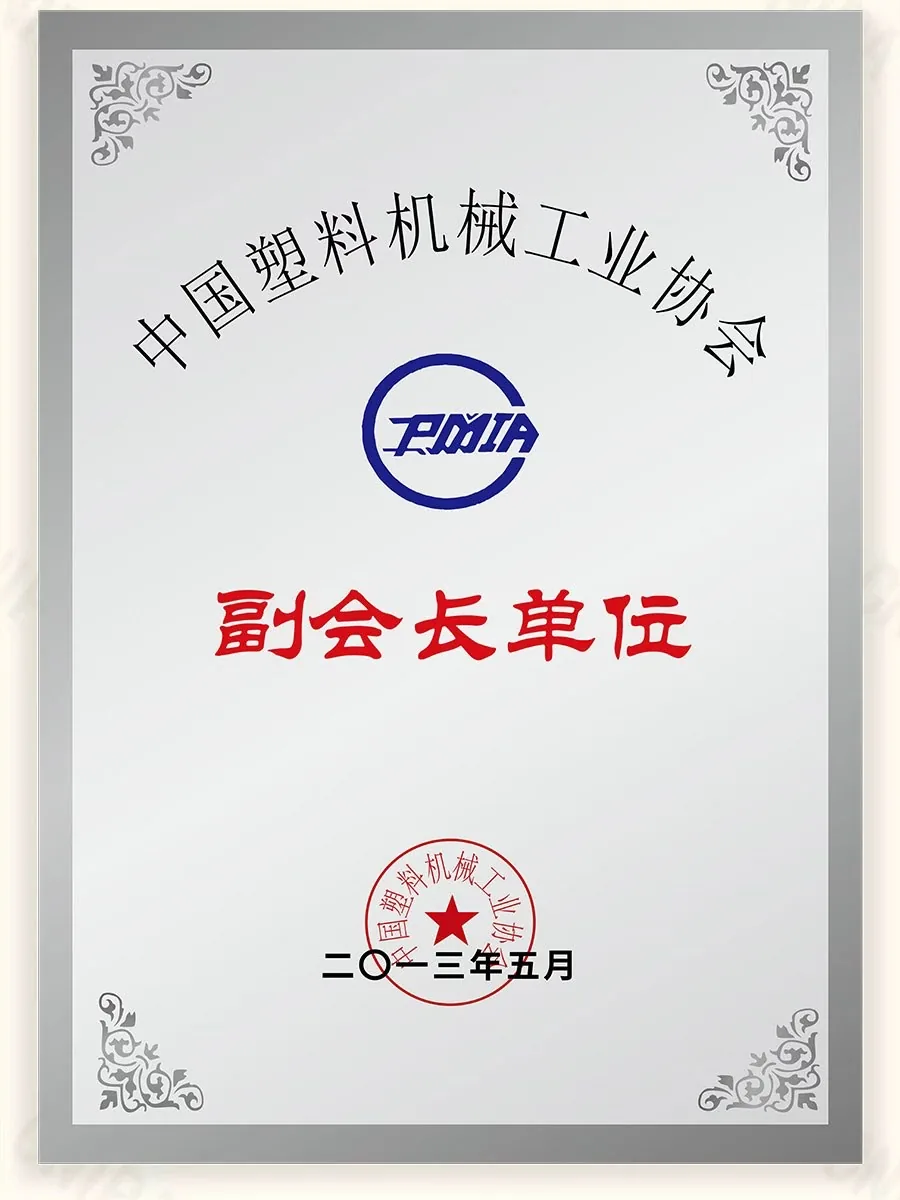
Industry Recognition
Vice President Unit of the China Plastics Machinery Industry Association.
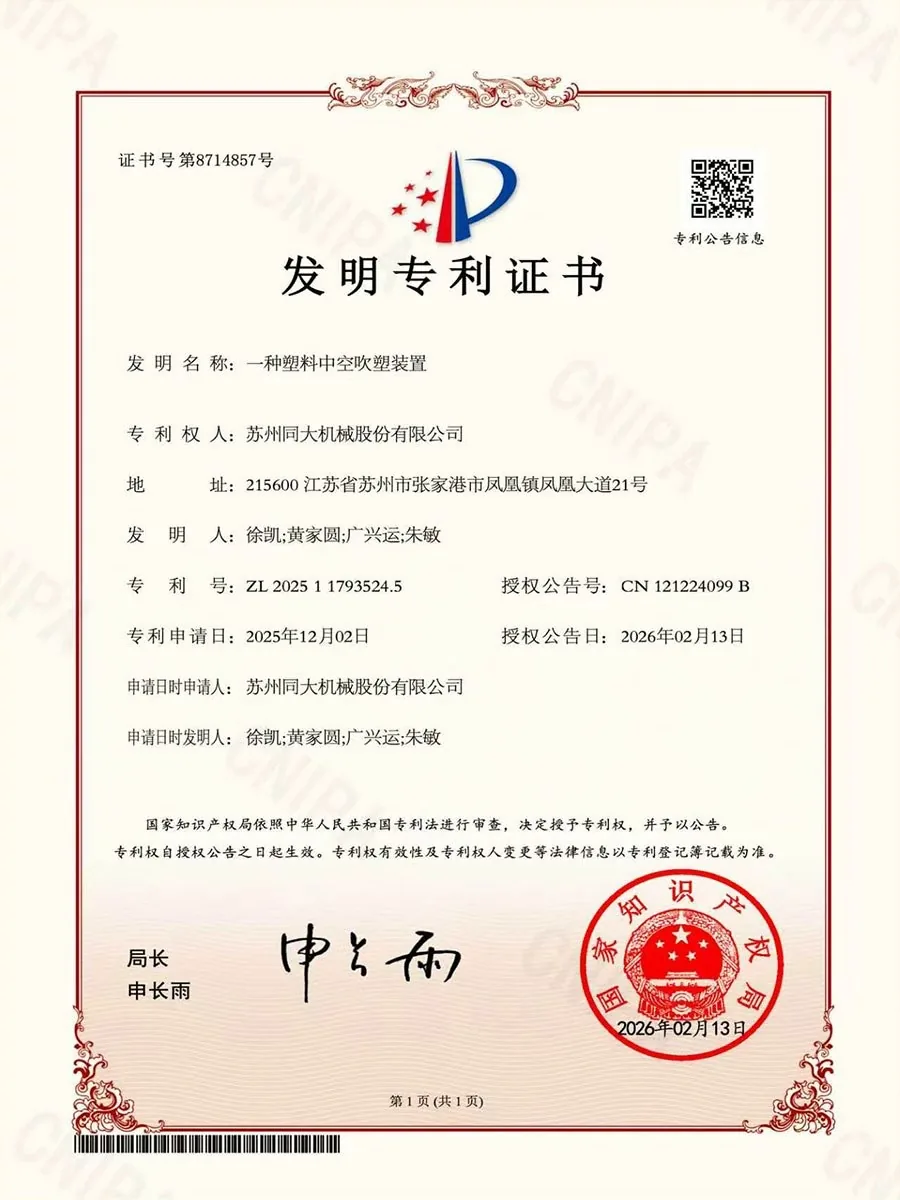
Patent Certificates
100+ patents across equipment structure, process, control, and application technologies.
Questions Before You Choose HTS II-12L
Key details about factory visits, machine inspection, delivery confirmation, and after-sales support.
Can I visit Tongda factory before ordering the HTS II-12L machine?
Yes. Customers are welcome to visit Tongda factory before placing an order. A factory visit helps you check our manufacturing capability, R&D team, after-sales team, production process, and real equipment quality.
How does Tongda help ensure safe payment and on-time delivery?
Tongda can support agreed payment methods such as Alibaba Trade Assurance or letter of credit when applicable. Customers can also confirm delivery schedule, production progress, and bank account details during project communication or factory visits.
How does Tongda control the quality of the HTS II-12L blow molding machine?
Tongda has specialized in blow molding machinery for more than 20 years. Key parts are inspected before assembly, each machine is assembled by experienced technicians, and the completed production line is connected and tested before delivery.
Will the HTS II-12L machine be tested before shipment?
Yes. After production is completed, Tongda debugs the machine, runs production tests, and can provide photos or videos for customer confirmation. The machine is then packed with standard export packaging for shipment.
Does Tongda provide installation, training, and after-sales support?
Yes. Tongda can arrange engineers for installation and training according to the customer's project requirements. Sales managers, engineers, and after-sales service managers work together to follow the project online and offline.