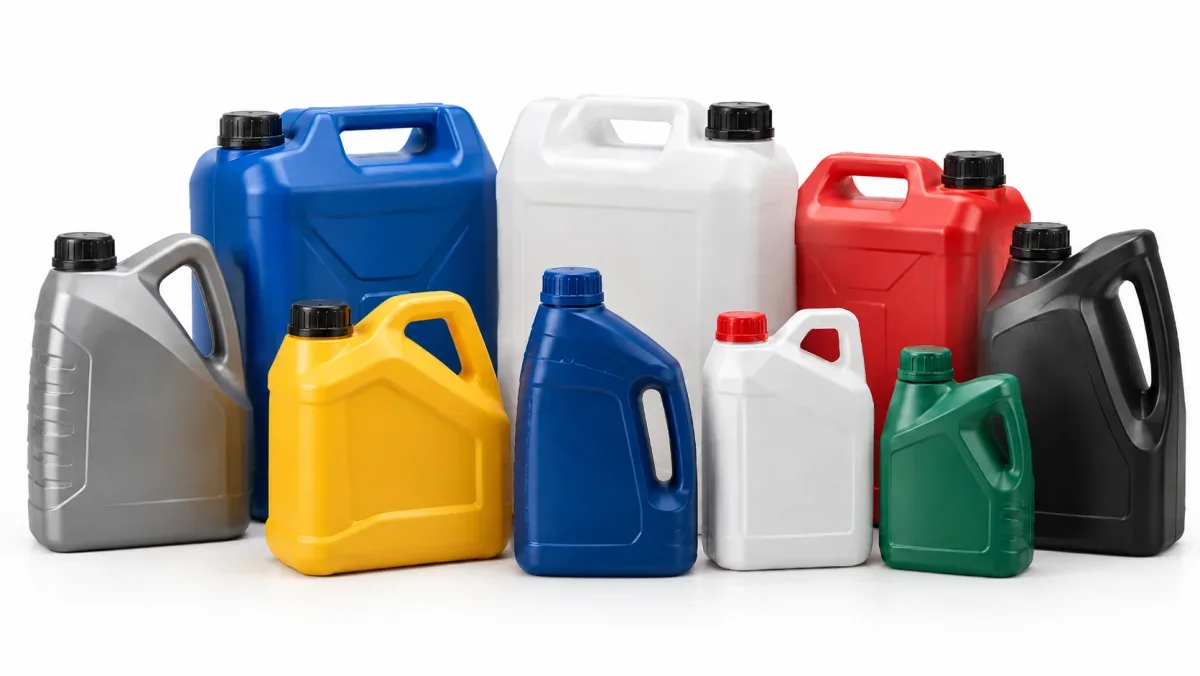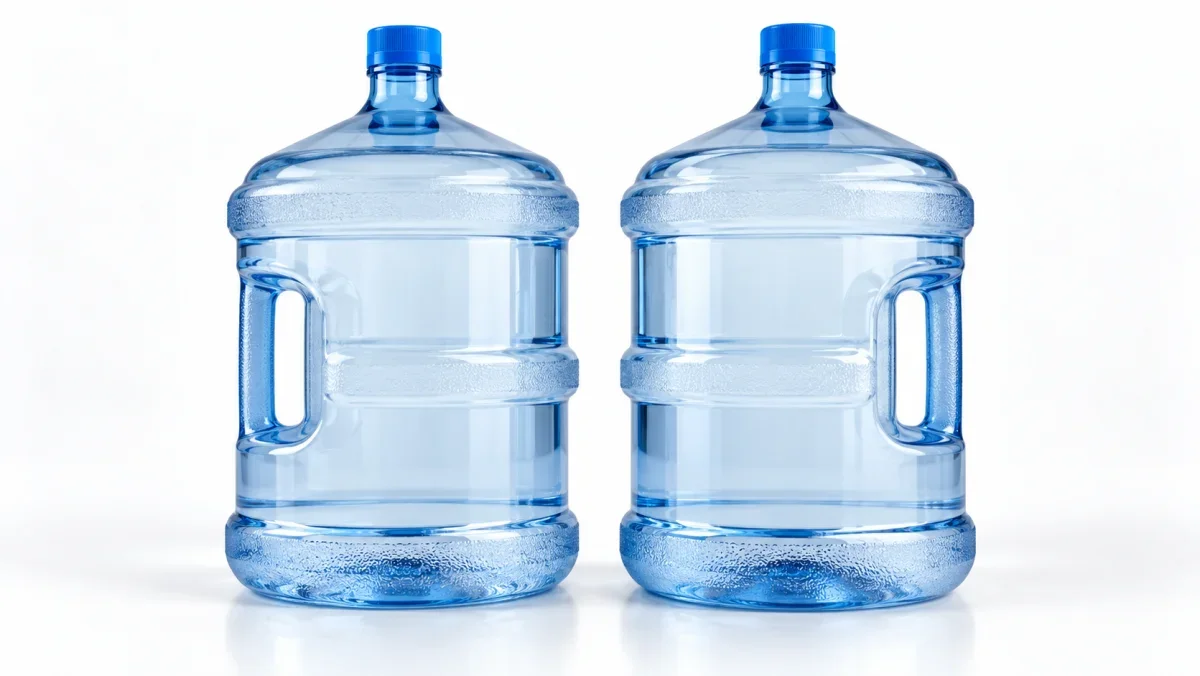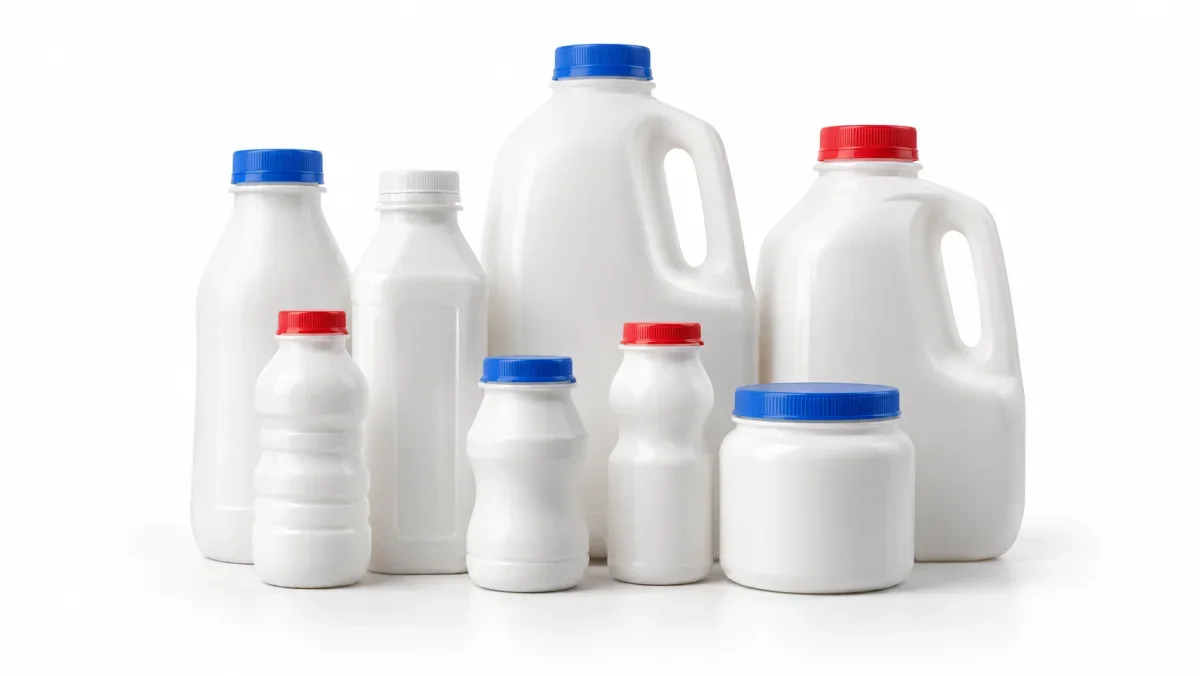
Application and equipment references may describe different configurations. Confirm the product drawing, resin, mold dimensions and output requirements with our engineering team; the linked current product pages remain the specification reference.
What is milk bottle?
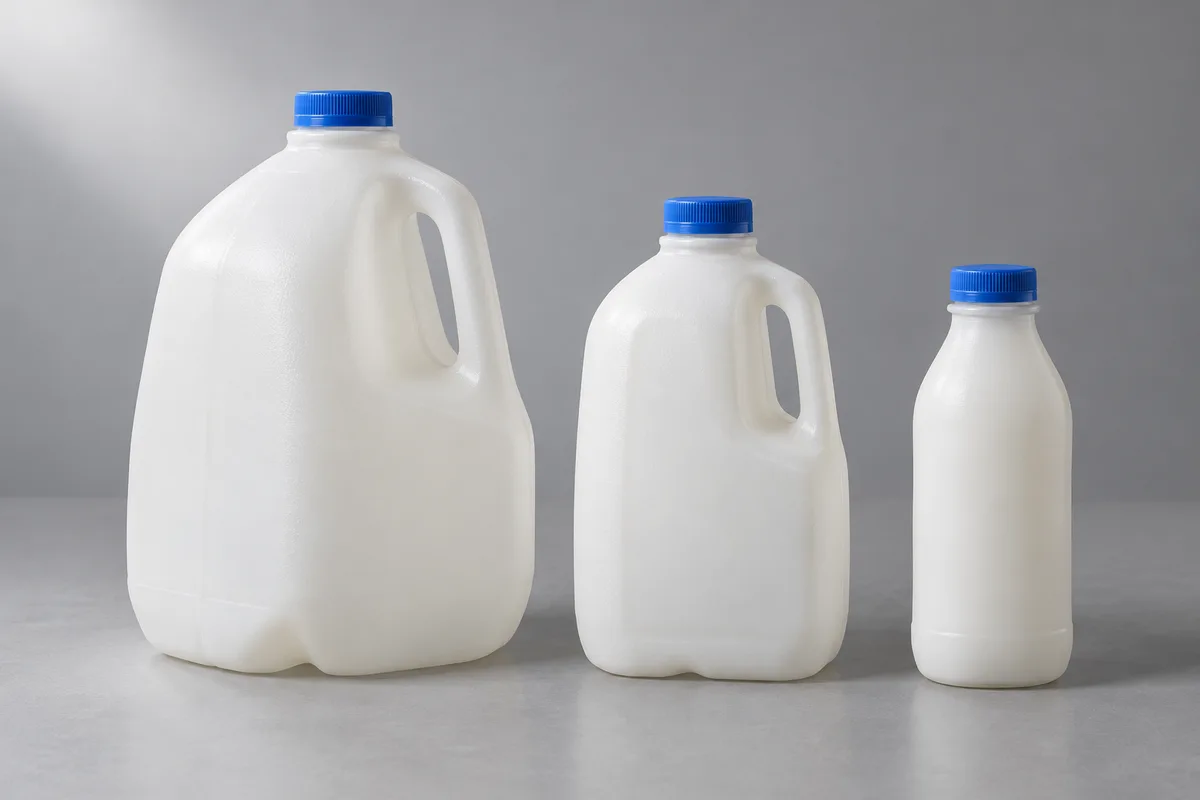
A milk bottle is a widely used plastic container used to store and transport milk and other beverages or liquid foods.
Plastic types of milk bottles
The main plastic materials used in milk bottles include HDPE, LDPE, etc. Among them, HDPE is the abbreviation of high-density polyethylene, which has high toughness and durability and is often used to make bottles of detergents, food oil and other containers. LDPE is the abbreviation of low-density polyethylene, which has better transparency and softness and is generally used to make flexible packaging bags. In addition, some milk bottles are made of PET material.
Which is better? Plastic milk bottle or glass milk bottle?
| Advantages | Disadvantages | |
|---|---|---|
| Glass milk bottle | Non-toxic, easy to clean, good heat resistance | It is heavier than plastic milk bottles and is not convenient to carry. Fragile and high cost. |
| Plastic milk bottle | Relatively light and easy to carry. Easy to store, transport and use, low cost. | Poor heat resistance and easy to age. |
What are the raw materials of plastic milk bottles?
- HDPE plastic has good heat resistance, impact resistance and chemical corrosion resistance. It can be reused and is suitable for recycling and reuse.
- LDPE plastic is soft, transparent and has good ductility, but has slightly poor heat resistance and poses a greater risk of environmental pollution.
- PET plastic has high transparency and hardness. It is often used to make beverage bottles, decorations, etc. It is easy to recycle and process, but the manufacturing process may produce harmful substances.
Currently, milk bottles are mostly made of HDPE and LDPE. Although they are environmentally friendly, they still need to be recycled and properly disposed of to reduce their impact on the environment.
What is a blow molding machine?
A blow molding machine is a plastic processing machine. After the liquid plastic is sprayed out, the wind blown by the machine is used to blow the plastic body into a mold cavity of a certain shape to make the product. Specifically, the blow molding machine can process a variety of containers such as plastic barrels, plastic bottles, plastic toys, plastic cans, and plastic beverage straws. At present, blow molding machines have been widely used to produce various thin-shell hollow products, chemical and daily packaging containers, and children’s toys.
Blow molding machines can be divided into three categories: extrusion blow molding machines, injection blow molding machines and special structure blow molding machines. Stretch blow molding machines can fall into each of the above categories. The extrusion blow molding machine is a combination of an extruder, a blow molding machine and a mold clamping mechanism. It consists of an extruder, a parison die, an inflation device, a mold clamping mechanism, a parison thickness control system and a transmission mechanism.
Injection blow molding machine is a combination of injection molding machine and blow molding mechanism, including plasticizing mechanism, hydraulic system, control electrical appliances and other mechanical components. Common types include three-station injection blow molding machines and four-station injection blow molding machines.
The special structure blow molding machine is a blow molding machine that uses sheets, molten materials and cold blanks as parisons to blow mold hollow bodies with special shapes and uses. Due to the different shapes and requirements of the products produced, the structures of the blow molding machines are also different.
How to choose plastic milk bottles blow molding machine?
- Blow molding machine quality The quality of the blow molding machine is one of the important reference values. Whether the blow molding machine equipment is worn and whether there are safety hazards is related to whether serious safety hazards will occur during the equipment’s use, whether the production is smooth, and whether the products produced are Flawed.
- Understand the types of blow molding machines There are many different types of blow molding machines, including fully automatic blow molding machines and semi-automatic blow molding machines. When choosing a blow molding machine, you need to decide which type is best for your production based on your needs and budget.
- Pay attention to the capacity and size of the blow molding machine The capacity and size of the blow molding machine are also factors to consider when purchasing. If you need to use the blow molding machine in large quantities, it is recommended to choose a machine with a larger capacity, which can improve production efficiency.
- Confirm the ease of use of the blow molding machine When purchasing a blow molding machine, pay attention to the ease of use of the machine. A good blow molding machine should have a simple and easy-to-understand operating interface for users to get started. At the same time, you should also consider whether the cleaning and maintenance of the machine are convenient, which can reduce the trouble of daily use.
- Case situation Cases are the main way to demonstrate the production technology of blow molding machines. Having technology but no actual cases cannot show that the blow molding machine can maintain stable operation during long-term operation.
- After-sales service and technical support After-sales service for blow molding machine such a large industrial production equipment is very important, perfect after-sales service, equipment problems timely feedback to the manufacturer maintenance can reduce equipment damage, the more perfect after-sales service, the more protection for our users, conducive to future production development.
How to improve the production efficiency of blow molding machines?
1. Blow molding raw materials
Improving materials is one of the most useful methods, which can further meet the functional and performance requirements of blow molding products, especially some special needs, such as the environmental protection and safety requirements of medicine, food packaging and other industries. The variety of blow molding grade raw materials is more Rich and diverse, processing performance tends to be better, and various properties such as high temperature resistance, corrosion resistance, UV resistance, and wear resistance are available.
2. Mechanical equipment
Blow molding machinery and equipment are more precise, efficient, and intelligent. Technologies such as multi-head co-extrusion, multi-layer co-extrusion, multi-point wall thickness control, and high-temperature, high-strength, wear-resistant screws are emerging one after another, further meeting the needs of the blow molding process; blow molding machinery Equipment has been greatly improved, blow molding machinery and equipment have become more precise and efficient, and auxiliary production equipment has been automated. Moreover, efficient precision equipment not only means that the mechanical equipment has higher speed and higher pressure during the production and molding process, but also requires that the products produced can achieve higher stability in terms of fluctuations in appearance size and weight.
Here are a few steps to consider when purchasing a plastic milk bottle blow molding machine:
Determine needs: First determine your production needs, including required production capacity, size and shape of plastic milk bottles and other specifications.
Market research: Conduct market research to understand the product performance, brand reputation, after-sales service and other information of various blow molding machine manufacturers.
Contact suppliers: Contact multiple blow molding machine suppliers or manufacturers and ask them for detailed information about blow molding machine models, prices, technical parameters, after-sales services, etc.
Visit exhibitions or factories: You can attend industry exhibitions or go directly to the blow molding machine manufacturer’s factory for on-site inspections to gain a more intuitive understanding of the performance and quality of the equipment.
Choose the right equipment: Choose a blow molding machine that meets your requirements based on your production needs, budget, and equipment performance parameters.
Negotiation and purchase: Negotiate prices and contract terms with various suppliers to finalize the purchase of the blow molding machine.
After-sales service: After purchase, ensure that the equipment has complete after-sales service and technical support, including installation, training, maintenance and warranty support.
Delivery and installation: Determine delivery and installation details to ensure equipment arrives on time and is installed and debugged correctly.
Purchasing a blow molding machine is a relatively complicated process that requires adequate preparation and understanding of market conditions. It is best to compare and communicate with multiple suppliers to choose suitable equipment and manufacturers to ensure that the equipment purchased can meet your production needs and have good performance and reliable after-sales service.
What are the after-sales services of plastic milk bottle blow molding machine?
Installation and debugging services: Provide professional installation and debugging services to ensure that the equipment is installed correctly and put into production smoothly.
Operation training: Provide training for operators to teach the correct operation methods and maintenance knowledge of the equipment to ensure the safe operation of the equipment.
Regular maintenance: Provide regular maintenance services to check the operating status of the equipment and ensure that the equipment is in optimal working condition.
Spare parts supply: Provide original or compatible spare parts supply services to ensure equipment maintenance needs.
Remote technical support: Provide remote technical support services to help solve problems in equipment operation and maintenance.
On-site service: Provide on-site repair services when needed to quickly resolve equipment malfunctions or issues.
Upgrade and modification services: Provide equipment upgrade and modification services according to customer needs to update equipment technology and performance.
Warranty period: Provide a certain period of warranty service to cover equipment failures or problems.
Good after-sales service can ensure the continuous operation and production efficiency of the equipment. Therefore, when choosing a blow molding machine manufacturer, it is recommended to examine whether its after-sales service system is complete and whether it has the ability to respond and solve problems in a timely manner.
Milk Bottle Blow Molding Machine Models
| Model | Product Size | Output of HDPE | Output of Product |
|---|---|---|---|
| HTS-II-2L | 200ML-2L | 60 kg/h | 960-1100pcs/hr for 200ML(4cavities) |
| HTS-II-5L | 1L-5L | 110 kg/h | 160-230pcs/hr for 5L |
| HS-II-5L | 1L-5L | 110 kg/h | 170-240pcs/hr for 5L |
| HSE-5L | 1L-5L | 85 kg/h | 120-170pcs/hr for 5L |
| HSE-II-5L | 1L-5L | 130 kg/h | 180-250pcs/hr for 5L |
Model names and extrusion outputs follow the current product pages. Example container sizes and finished-product rates depend on resin, weight, mold and machine configuration; they are not dry-cycle guarantees.
Machine Choice

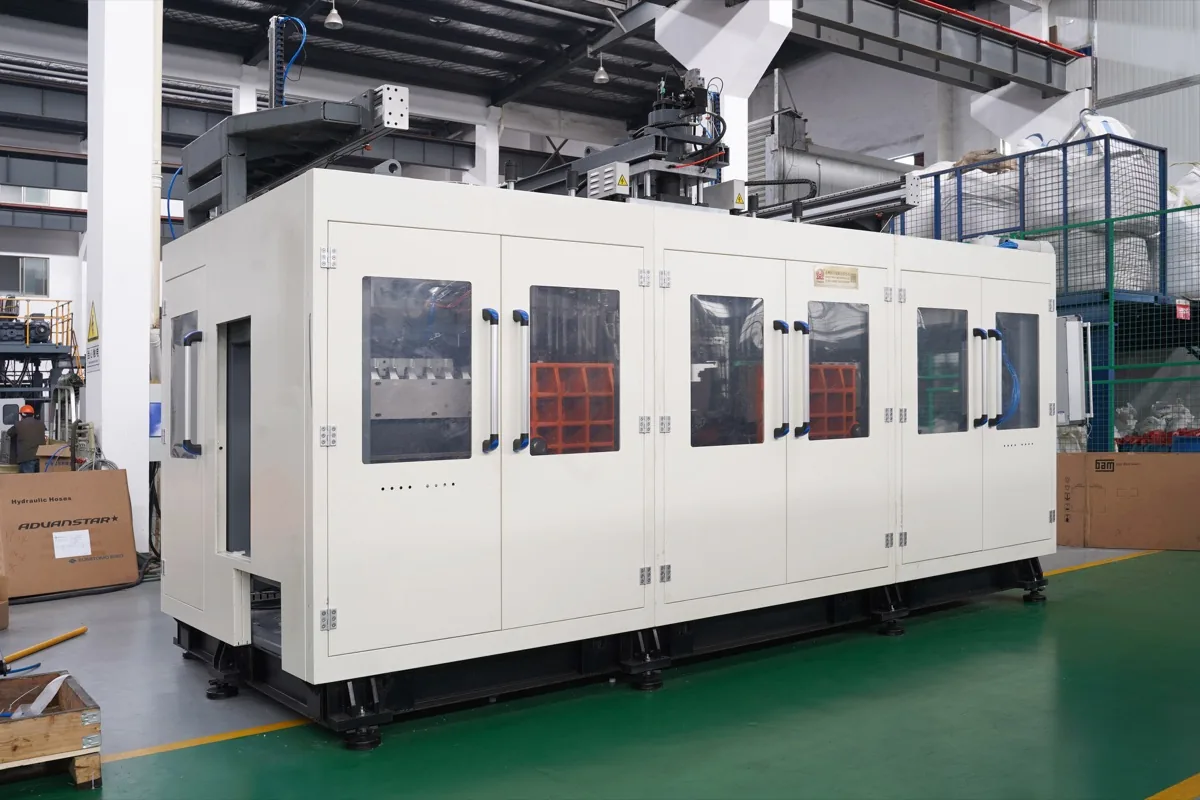
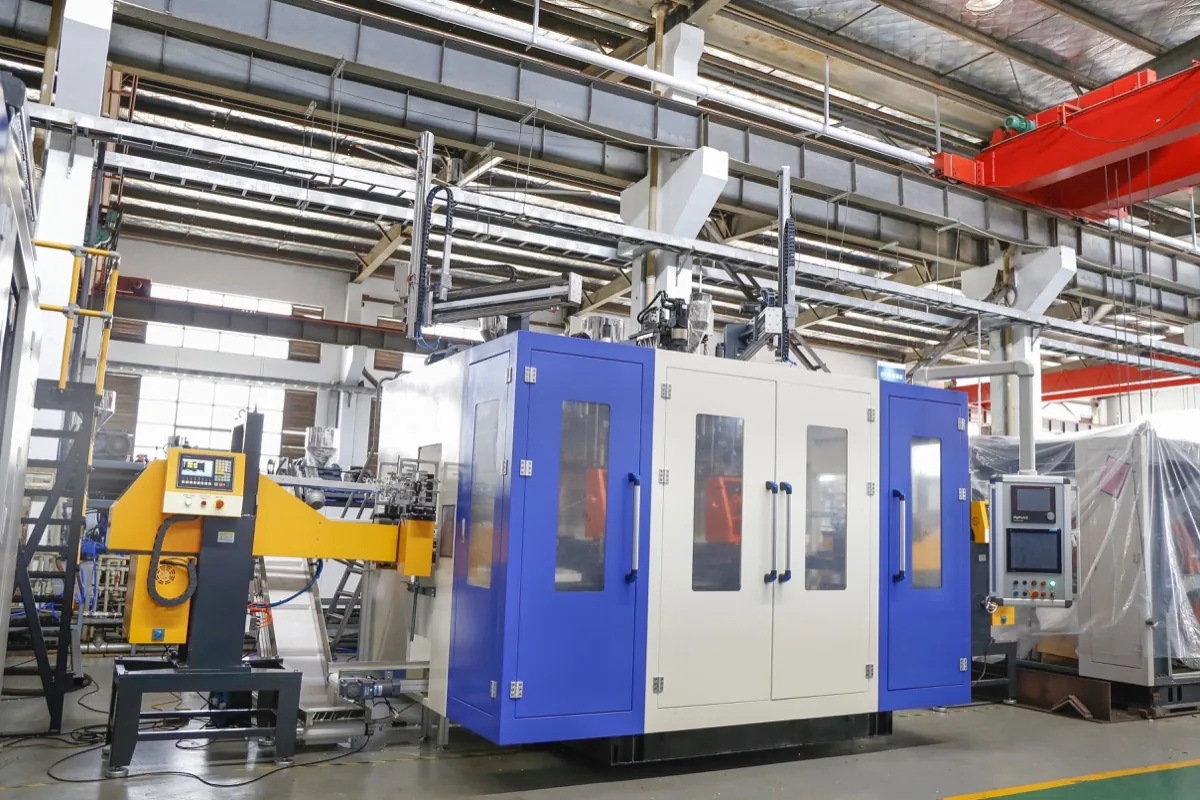
Application and equipment references may describe different configurations. Confirm the product drawing, resin, mold dimensions and output requirements with our engineering team; the linked current product pages remain the specification reference.